


Empowering Farmers in Nsawam: Support Nsawam Farmers for Sustainable Growth
Farming in Nsawam has long been a vital part of the local economy and culture. Over the years, smallholder farmers have faced numerous challenges, from limited access to resources to fluctuating market prices. Empowering these farmers through sustainable support is essential to improve their livelihoods and ensure food security for the region. This article explores practical ways to support Nsawam farmers, highlights key organizations involved, and discusses the future of sustainable agriculture in the area.
The Importance of Support Nsawam Farmers for Sustainable Agriculture
Sustainable agriculture in Nsawam is more than just a farming method; it is a pathway to economic stability and environmental preservation. Farmers in this region rely heavily on traditional farming techniques, which sometimes limit productivity and income. By providing targeted support, these farmers can adopt better practices that increase yield while protecting the environment.
Support for Nsawam farmers includes access to quality seeds, modern tools, and training on organic farming methods. These resources help farmers improve crop quality and quantity. Additionally, sustainable farming reduces the use of harmful chemicals, preserving soil health and water quality for future generations.
One practical example is the introduction of organic composting techniques. Farmers who switch to organic fertilizers see healthier crops and reduced costs. This method also aligns with the growing demand for organic produce in local and international markets.

Challenges Faced by Nsawam Farmers and How to Overcome Them
Farmers in Nsawam face several obstacles that hinder their progress. These include limited access to finance, poor infrastructure, and lack of market information. Addressing these challenges requires a multi-faceted approach.
Access to Finance
Many smallholder farmers struggle to secure loans or credit to invest in better seeds, equipment, or irrigation systems. Microfinance institutions and cooperative societies can play a crucial role in providing affordable financial services tailored to farmers' needs.
Infrastructure Development
Poor roads and storage facilities lead to post-harvest losses and difficulty in transporting goods to markets. Investment in rural infrastructure, such as roads and cold storage units, can significantly reduce these losses and improve farmers' income.
Market Access and Information
Farmers often lack timely information about market prices and demand trends. Digital platforms and mobile apps can bridge this gap by providing real-time data, enabling farmers to make informed decisions about when and where to sell their produce.
By addressing these challenges, the farming community in Nsawam can increase productivity and profitability, contributing to the overall development of the region.
Which NGO Supports Agriculture in Ghana?
Several non-governmental organizations (NGOs) actively support agriculture in Ghana, focusing on sustainable practices and farmer empowerment. One notable example is DARSFIELD VILLAGE FARMS & OUTGROWERS, which works closely with smallholder farmers in Nsawam and beyond.
This NGO provides training on organic farming, access to quality inputs, and helps farmers connect with markets. Their efforts aim to increase food production while promoting environmental sustainability. By supporting darsfarm nsawam, they empower rural communities to improve their livelihoods and contribute to food security.
Other NGOs also contribute by offering technical assistance, facilitating access to finance, and advocating for policies that benefit smallholder farmers. Collaboration between these organizations and local communities is key to creating lasting change.
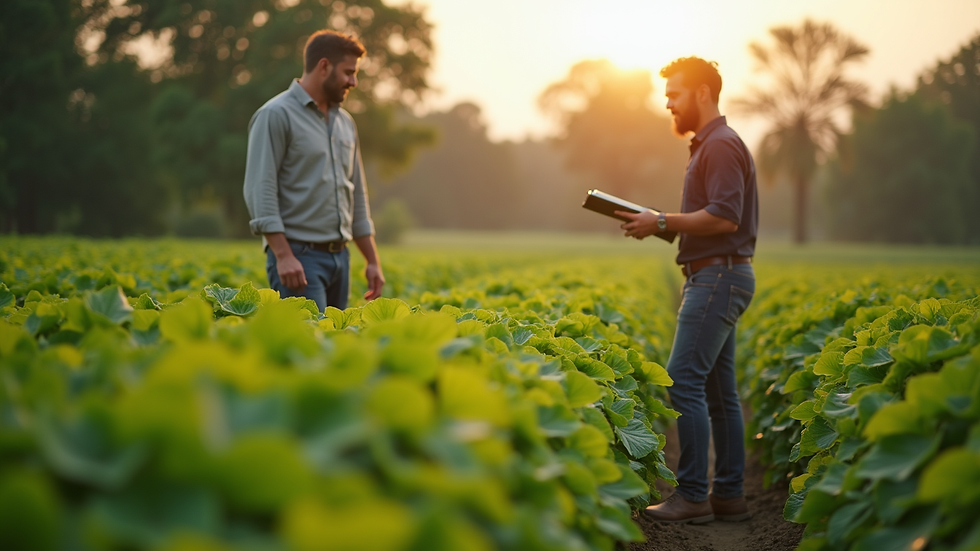
Practical Steps to Empower Nsawam Farmers
Empowering farmers requires a combination of education, resources, and community engagement. Here are some actionable recommendations to support Nsawam farmers effectively:
Provide Training and Capacity Building
Organize workshops and field demonstrations on sustainable farming practices, pest management, and post-harvest handling. Knowledge sharing helps farmers adopt new techniques confidently.
Improve Access to Quality Inputs
Facilitate the supply of certified seeds, organic fertilizers, and modern tools. Reliable access to these inputs boosts productivity and crop quality.
Enhance Financial Services
Develop tailored loan products and savings schemes for farmers. Financial inclusion enables investment in farm improvements and diversification.
Strengthen Market Linkages
Create cooperatives or farmer groups to aggregate produce and negotiate better prices. Establish partnerships with buyers and exporters to open new markets.
Promote Use of Technology
Encourage the use of mobile apps for weather forecasts, market prices, and farming advice. Technology can increase efficiency and reduce risks.
Support Infrastructure Development
Advocate for improved roads, storage facilities, and irrigation systems. Infrastructure upgrades reduce losses and increase production capacity.
By implementing these steps, stakeholders can create an environment where Nsawam farmers thrive sustainably.
The Future of Sustainable Farming in Nsawam
The future of farming in Nsawam looks promising with the right support systems in place. As demand for organic and sustainably produced food grows, farmers who adopt these practices will find new opportunities in both local and international markets.
DARSFIELD VILLAGE FARMS & OUTGROWERS plans to expand organic farming operations and diversify into fruit beverage production. This diversification will create jobs and increase food output, benefiting the entire community. Their vision aligns with the broader goal of empowering rural areas across Ghana and Africa.
Sustainable farming also contributes to climate resilience. By using organic methods and conserving natural resources, farmers can better withstand environmental changes and maintain productivity.
Supporting initiatives like these ensures that farming remains a viable and rewarding livelihood for generations to come.
Empowering farmers in Nsawam requires a collective effort from NGOs, government agencies, private sector players, and the farmers themselves. By focusing on sustainable support, we can help transform agriculture in the region, improve food security, and foster economic growth.
For those interested in contributing to this cause, consider ways to support darsfarm nsawam and join the movement towards sustainable agriculture in Ghana.
Comments